
Marketing photography jobs in the cannabis space are real, they’re growing, and most of them are more approachable than you’d expect. Seven role types stand out: product photographer for dispensary and brand catalogs, packaging and branding photographer, lifestyle and social media content creator, cultivation and behind-the-scenes photographer, event and trade show photographer, brand portrait and team headshot photographer, and accessories, wellness, and hemp-adjacent brand photographer. Some of these you can start pursuing with a single camera, a window, and a white foam board. Others take more gear, more client experience, and a steadier hand with lighting.
We picked these seven using a few simple filters: the work actually exists today, it pays or can reasonably grow into paid work, it builds skills that carry over to other kinds of photography, and there’s a clear path in for newcomers. We ordered them roughly from beginner-friendly to more advanced, so you can find your starting point and see what the next step looks like.
One thing to keep in mind from the start. Cannabis marketing is regulated, and the rules around advertising, minors, and what you can show vary by location. Every role below comes with compliance reminders, because knowing the guardrails is part of being a professional here.
Think of this guide as a roadmap, not a gatekeeper. Wherever you are with your camera skills, there’s likely a spot on this list where you can begin.
How We Chose These Cannabis Marketing Photography Jobs
Picking seven jobs out of a whole industry meant setting some ground rules first. Here’s what we looked at, so you can see why each role earned its spot and judge whether it fits where you are right now.
- Beginner accessibility: can a newer photographer realistically start with gear and skills they already have?
- Steady demand: do brands tend to need this type of imagery again and again?
- Skill transferability: will what you learn carry over to other kinds of photography?
- Portfolio value: does the work give you strong, shareable images for your showcase?
- Growth potential: can one-off gigs turn into repeat clients or even full-time work?
None of these jobs is a perfect fit on every point, and that’s okay. Some are easy to start but have a lower ceiling, while others take more practice but open bigger doors. We’ve mixed them so there’s a starting point for every comfort level, whether you’re still learning your camera settings or you’ve been shooting for years.
One important reminder before you pitch or pick up your camera: cannabis is a regulated space, and the rules change depending on where you live. Laws, licensing requirements, and what brands can show or say in ads vary by region, and every platform has its own advertising policies. Always check your local laws and the platform guidelines first, so your work stays on the right side of the line and your clients stay protected.
1. Product Photographer for Dispensary and Brand Catalogs
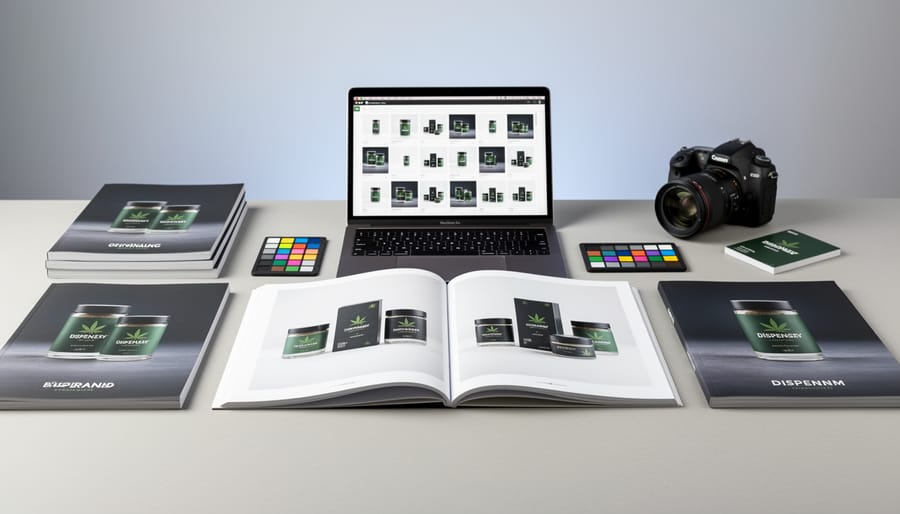
Product photography is exactly what it sounds like: making clean, accurate images of an item so shoppers can see what they’re getting. For cannabis brands, that means packshots of flower jars, pre-rolls, edibles, vape cartridges, and tinctures for online menus, e-commerce pages, and wholesale catalogs. It’s one of the most beginner-friendly doors into this industry, because the work is repeatable and you control every variable.
Most clients expect a “white background” look, which simply means the product sits on a clean white surface and backdrop so nothing distracts from the packaging. To get there, you’ll want a “softbox,” a light with a fabric front that spreads and softens the glow so you avoid harsh glare and sharp shadows on glossy jars and labels.
Here’s the starter kit:
– A small tabletop setup with a white sweep (a curved sheet of paper or fabric)
– One diffused light source, like a softbox or a window with a thin white curtain
– A tripod, so every shot lines up the same way
– A reflector or white card to fill in shadows
Consistency is the real selling point here. A dispensary menu with 80 products needs every image to match in brightness, color, and crop. That’s where batch editing shines. Once you’ve perfected one edit in Adobe Lightroom you can sync those settings across the whole shoot in a few clicks and keep the entire catalog looking cohesive.
Start by photographing items around your home to practice the lighting. When you can make a shiny jar look crisp and true to color, you’re ready to pitch.
2. Packaging and Branding Photographer
In cannabis, packaging does a lot of the selling. Brands fight for attention on crowded shelves, and the people deciding what gets stocked often see your photos before they ever touch the product. That’s where a packaging and branding photographer steps in.
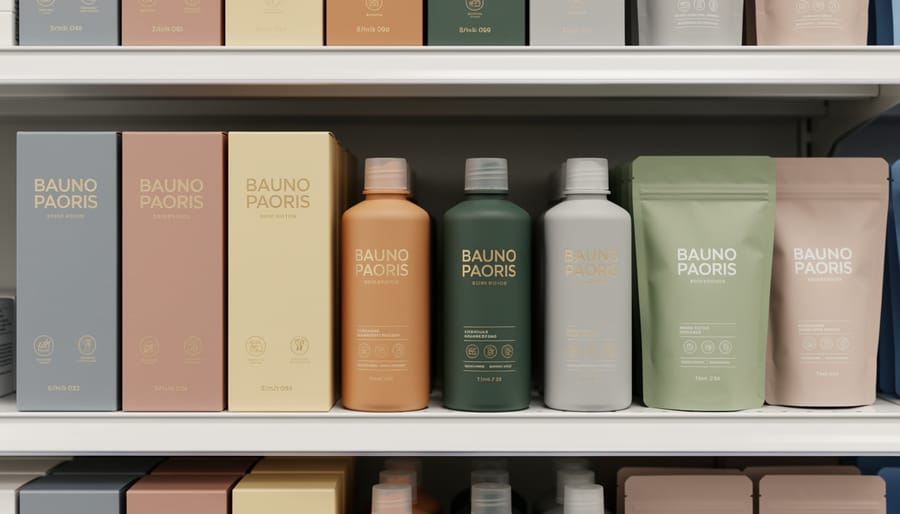
The work covers boxes, labels, pouches, and sleeves, plus mockups and unboxing-style imagery for product launches, pitch decks, and retailer outreach. A buyer flipping through a deck should feel the quality of the package in a single glance.
Detail shots are your best friend here. Get close on embossing, foil stamping, matte versus gloss finishes, and the crispness of small label text. Texture is what separates a premium package from a flat one, so use side lighting (a light placed off to one side) to make surface details pop.
Color matters just as much. Brands spend months perfecting their palette, so your photos need to match it faithfully. Shoot with a gray card or color checker, keep your white balance consistent, and edit every image in a set the same way so the whole collection looks like one family.
You’ll also work closely with designers. Ask for brand guidelines, approved color values, and any mockup requirements before the shoot. A quick chat about how the images will be used, whether on a website, in print, or in a pitch deck, saves a lot of reshoots later.
3. Lifestyle and Social Media Content Creator
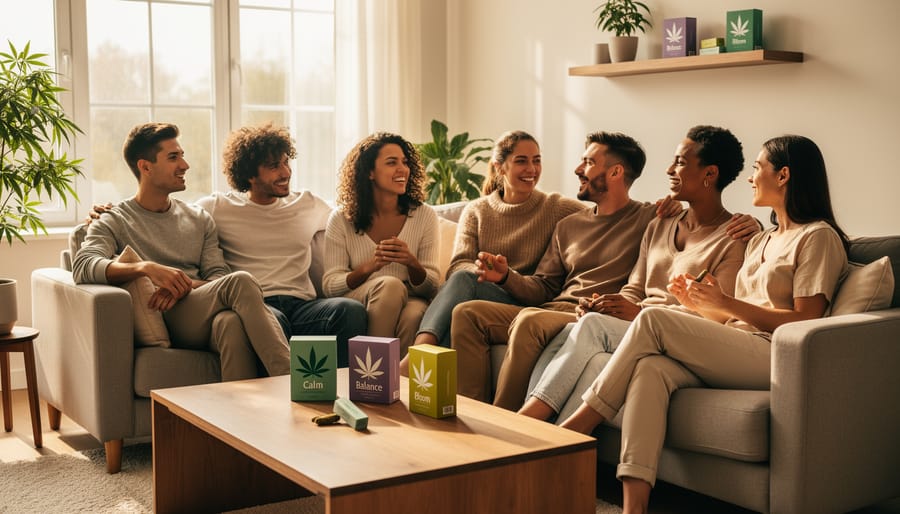
Brands in the cannabis space can’t lean on traditional ads the way other industries do, so they rely on a steady stream of lifestyle imagery to keep their organic social feeds and email campaigns fresh. That’s where you come in. Think people unwinding at home, wellness routines, small social gatherings, and cozy everyday settings that show products as part of a responsible, relaxed lifestyle.
Working with models and props is a big part of the job. Friends, family, or local talent can all work as models while you’re building your portfolio, as long as you have signed releases. Props do a lot of storytelling: a ceramic mug, a throw blanket, a houseplant, or a well-styled tray can set a mood without ever making the product the loudest thing in the frame.
Consistency is what turns one good shoot into a long-term client. Build a simple visual style guide that covers your color palette, preferred lighting (soft window light is a beginner favorite), common locations, and editing presets in Lightroom. When every image feels like it belongs to the same family, the brand looks polished and trustworthy.
This is also where repeatable monthly content packages shine. Offering a set number of finished images each month, say 15 to 20 edited photos for social and email, gives brands predictable content and gives you predictable income. It’s a great way to move from one-off gigs toward recurring work.
Policies change often and differ by platform, so staying informed protects both you and the brands you work with.
4. Cultivation and Behind-the-Scenes Photographer
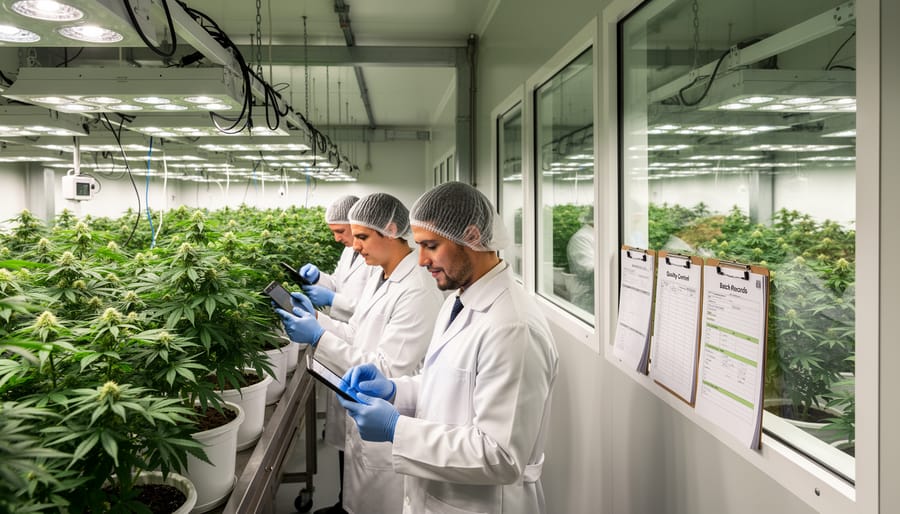
Cultivation and behind-the-scenes work is documentary photography with a marketing purpose. Brands want to show what happens inside their grow rooms, labs, and processing spaces because transparency builds trust, especially in an industry where customers want to know where their products come from.
Your shot list usually covers three things. First, macro shots of plants and trichomes. Macro photography simply means shooting very small subjects up close so they fill the frame with fine detail, like the tiny crystalline glands on a flower. A dedicated macro lens helps, but extension tubes or a close-focusing lens are a good way to start. Second, team portraits of growers and technicians at work. Third, process storytelling: trimming, testing, packaging, and the small moments between.
The tricky part is light. Grow rooms often use intense LED or HPS fixtures that cast strong color, sometimes purple, pink, or heavily yellow. That’s where white balance comes in. White balance tells your camera what “neutral” looks like so colors stay true. Set it manually or shoot RAW so you can correct it later, and consider a gray card for a quick, reliable reference. Accurate color matters because a plant that looks off-color in photos can misrepresent the product.
Professionalism matters just as much as technique. Facilities usually have strict access protocols, so expect to follow clean-room rules, wear protective gear, and sign confidentiality agreements. Ask what’s off-limits before you arrive, move carefully around plants and equipment, and respect the team’s workflow. Show up prepared and easy to work with, and you’re far more likely to be invited back.
5. Event and Trade Show Photographer
Event and trade show work is where marketing teams need images fast. Think industry conferences, product launches, tastings, brand pop-ups, and community meetups. The goal is a mix of candid moments, branded shots with signage and booths, and sponsor-friendly frames that show logos clearly without feeling staged.
Lighting is your biggest challenge. Venues usually mix overhead fluorescents, warm spotlights, and the odd LED wall, all in one room. Shoot in RAW so you can fix color later, and set your white balance manually or use a gray card at the start of each area. Raise your ISO without fear, since a sharp, slightly grainy image beats a blurry clean one. A fast lens with a wide aperture helps, and a small bounce flash aimed at the ceiling can soften harsh shadows. If you’re wondering which body handles dim rooms and fast people best, our portrait camera picks are a good starting point, and the best Sony for portraits is worth a look if you prefer mirrorless.
Speed matters just as much as skill. Many clients want a handful of same-day selects for social posts while the event is still buzzing. Cull quickly, apply a consistent preset in Lightroom, and send your top 10 to 15 images that night. Then deliver the full gallery within a few days.
Events are also a great way to meet people. Brand managers, founders, and fellow creatives all show up, and a friendly, reliable shooter often turns into a recurring client.
6. Brand Portrait and Team Headshot Photographer
Cannabis brands are run by real people, and customers want to see them. Founder portraits, budtender headshots, and “meet the team” galleries show up on websites, press kits, retail displays, and even licensing applications. Because the industry still fights stigma, a warm, polished portrait does a lot of quiet work. It tells a first-time visitor that someone approachable and professional stands behind the counter.
Consistency matters most here. A team page where every headshot has different lighting, framing, and background looks scattered, even if each photo is fine on its own. Pick one backdrop, one crop, and one editing style, then repeat it for everyone.
You can practice at home with friends. Place your subject facing a large window, about an arm’s length away, so soft daylight wraps across their face. Add a white poster board or foam core on the opposite side to bounce light into the shadows. No window? A single lamp with a diffuser (even a white bedsheet) works. Shoot at eye level with a longer lens, around 50 to 85mm, to flatter facial features.
Directing people is a skill too. Chat, crack a joke, and take lots of frames so nervous subjects relax. A few well-lit, friendly sessions make strong additions to your cannabis portfolio, and if you want inspiration for themed shoots, browse these 420 photo ideas and adapt them for portraits.
7. Accessories, Wellness, and Hemp-Adjacent Brand Photographer
Not every brand in this space touches the plant itself, and that’s good news if you’re just starting out. Glassware and accessory makers, apparel labels, CBD and wellness companies, and lifestyle goods brands all serve the same audience. Many of them also face fewer advertising limits than plant-touching businesses, which means they actively want photos for ads, product pages, and email campaigns. That demand makes this a friendly on-ramp for newer photographers.
The work looks familiar if you’ve shot any product photography before. A hand-blown glass piece needs careful control of reflections, so a large diffused light source and a dark or light card to shape the highlights go a long way. Apparel benefits from flat lays and simple lifestyle shots. A CBD tincture or skincare line often calls for bright, clean, spa-like styling with natural props like towels, botanicals, or ceramics.
These small projects are also portfolio gold. Aim for a mini set of six to eight images per brand: a few clean packshots, a couple of styled scenes, and one or two detail shots. That range shows clients you can handle both catalog work and storytelling.
To pitch a small, growing business, keep it short and specific:
– Find a brand whose current photos feel inconsistent or dated.
– Mention one thing you like about their products.
– Offer a small, clearly priced starter package, such as ten edited product images.
– Attach two or three relevant samples, not your whole portfolio.
Small brands often say yes to a low-risk first project, and that first yes can turn into monthly content work.
How to Get Started and Land Your First Cannabis Photography Client
Getting your first cannabis photography client is less about luck and more about showing up prepared. Start small and focused. Pick one job type from the list, ideally product or accessory work, and shoot a practice set of eight to twelve images. Use items you already own, a window for soft light, and a simple backdrop. Then edit them in Lightroom so the colors, exposure, and crop stay consistent across the whole set. A tight, polished mini-portfolio beats a big, uneven one every time.
Next, keep your pricing simple. Offer a clear per-image rate or a small package (say, ten edited product shots), and spell out what’s included so nobody’s guessing. You can adjust as your confidence grows.
Then start meeting people. Local industry events, trade shows, and online communities are where brands hang out, and a friendly hello goes a long way. When you reach out, keep your pitch short: who you are, what you shoot, a link to your best work, and one idea for how you could help that specific brand.
Before you shoot for anyone, get the paperwork basics down. Use a written contract that covers scope, payment, and usage rights (meaning where and how long the brand can use your photos). Get model releases for anyone who appears in an image, and check your local laws and each platform’s advertising rules. We’d love to see what you create, so post your starter set in the Camera Bar community and let us cheer you on.
Common Questions About Cannabis Marketing Photography Work
Every photographer starts with the same handful of worries, so here are the ones we hear most from the Camera Bar community.
Do I need to live in a legal state or region to shoot this work?
Not always, since plenty of product and branding work happens in a studio or is delivered remotely. Still, check local laws before you shoot, especially for cultivation, event, or on-location jobs, because rules vary a lot from place to place.
Do I need special gear?
No. A camera you already own, a tripod, and a diffused light source will cover product and portrait work. Macro lenses and extra lights help for cultivation shots, but you can add those once you have paying clients.
How should I handle model releases and usage rights?
Get a signed model release from anyone who appears in your images, and put usage rights in writing so the client knows where and for how long they can run your photos. A simple contract protects both of you.
Can I show this work in my general portfolio?
Often yes, but ask your client first, and keep in mind that some platforms limit how this kind of imagery can be posted. A clean, compliant selection of your best frames is a smart way to show range.
How much should I charge when starting out?
Start with a modest per-image or half-day rate that reflects your editing time, then raise it as your portfolio grows. Avoid working for free, since clear pricing sets a professional tone from day one.
If you’re still unsure about something, bring it to the community. Chances are another photographer has faced the exact same question and will happily share what worked for them.
Cannabis marketing photography isn’t one narrow career path. It’s a whole ecosystem with room for everyone, from simple catalog product work to lively event coverage and polished lifestyle campaigns. The photographers who grow in this space tend to share three habits: they practice often, they treat every client like a professional, and they stay on top of the rules that shape what can be shown and where.
So here’s your nudge. Pick one job type from the list that makes you curious, whether that’s product shots on your kitchen table or a friend’s portrait by a window. Shoot a small practice set this week, even just ten frames. Then bring it to the Camera Bar community and share it. We’d genuinely love to see what you create.