
The Sony α7 IV is our top pick for portrait photography because it delivers professional full-frame image quality, outstanding autofocus performance, and a feature set that adapts to both studio and location work. During our testing, this camera consistently produced beautiful skin tones and impressive subject separation, earning its spot as the best portrait cameras in the Sony lineup.
For photographers committed to the Sony ecosystem, choosing the right body matters tremendously. Portrait work demands specific strengths: exceptional autofocus that locks onto and tracks eyes, sensors that capture nuanced skin tones and textures, and lenses that create that smooth background blur we all love. Sony’s current lineup offers compelling options across price points, from budget-friendly APS-C bodies to resolution powerhouses that rival any camera system available in 2026.
We put five Sony cameras through real-world portrait sessions to help you find the perfect match for your style and budget. Whether you’re shooting headshots for clients, capturing environmental portraits on location, or exploring studio lighting setups for the first time, this guide connects you with the Sony camera that will grow alongside your skills. The differences between these models go beyond megapixel counts, and understanding which features actually matter for portraiture will save you from overspending on capabilities you won’t use or underbuying and hitting limitations too soon.
Our Top Sony Portrait Camera Picks at a Glance
Here’s our quick comparison of the five Sony cameras we tested for portrait photography. Each model brings distinct strengths to different shooting scenarios and budgets.
| Camera Model | Sensor Type | Best For | Key Portrait Strength |
|---|---|---|---|
| Sony α7 IV | Full-frame | Overall versatility | Professional image quality across all portrait scenarios |
| Sony A7R V | Full-frame | Maximum detail | Exceptional resolution for large prints and cropping flexibility |
| Sony A1 II | Full-frame | Professional studio work | Extraordinary specifications for demanding commercial applications |
| Sony a6100 | APS-C | Budget-conscious beginners | Capable portrait features in an affordable package |
| Sony RX100 VII | 1-inch | Travel and portability | Pocketable convenience with notably better quality than smartphones |
We tested each camera in real portrait sessions, evaluating face and eye detection accuracy, skin tone rendering, depth-of-field control, and overall usability. The α7 IV emerged as our top overall recommendation because it delivers professional results without the workflow demands of higher-resolution models or the premium investment of flagship bodies.
Why Trust Camera Bar’s Portrait Camera Testing
Camera Bar’s portrait camera recommendations come from hands-on testing with real portrait scenarios across varied lighting conditions, from studio strobes to natural window light and challenging low-light environments. We evaluate each Sony model by shooting actual portrait sessions with willing subjects, family members, friends, and community volunteers, rather than relying solely on technical specifications or controlled lab tests.
Our testing approach prioritizes the beginner and enthusiast experience alongside professional capabilities. We assess how intuitive each camera’s face and eye detection performs when shooting moving subjects, how forgiving the dynamic range is with different skin tones, and whether the ergonomics make sense during extended portrait sessions. This means we’re evaluating not just image quality, but the complete experience of creating portraits with each camera.
We maintain transparency about each camera’s strengths and limitations rather than declaring universal winners. The Sony α7 IV earned its top overall recommendation because it delivers professional image quality that works across the widest range of portrait scenarios and budgets, but we recognize that a beginner might be better served by the a6100’s approachable price point, while a studio professional may need the A1 II’s specialized capabilities. Our goal is helping you find the right Sony camera for your specific portrait photography journey, with honest guidance grounded in real shooting experience.
How We Tested and Evaluated These Sony Cameras
We put each Sony camera through real-world portrait scenarios to see how they actually perform when shooting people. Our testing wasn’t about lab measurements or pixel-peeping at charts, it was about whether these cameras deliver the results you’d want when photographing clients, friends, or family in varied conditions.
We evaluated each camera against seven criteria that matter most for portrait work:
- Image quality in typical portrait scenarios, including how well each sensor renders skin tones, handles mixed lighting, and produces pleasing color without heavy editing
- Autofocus accuracy for face and eye detection, testing how reliably the system locks onto and tracks subjects, especially when they’re moving or partially turned
- Depth-of-field rendering and how the sensor size and resolution affect background separation and bokeh quality with common portrait lenses
- Low-light performance in natural indoor settings without flash, since many portrait sessions happen in living rooms, studios with moderate lighting, or outdoor golden hour
- Lens compatibility and what each system offers for portrait-specific glass, from affordable 50mm primes to professional 85mm and 135mm options
- Ergonomics for portrait shooting, including how the camera feels during extended sessions, menu accessibility for quick adjustments, and whether the controls make sense when you’re focused on your subject
- Value considerations across different budgets, weighing what you’re getting for the price against alternatives and whether features justify the investment for your portrait goals
We tested with multiple portrait lenses on each body, primarily 50mm, 85mm, and 35mm focal lengths, and shot in varied conditions from controlled indoor light to challenging outdoor scenarios. Our evaluation prioritized what actually matters when you’re behind the camera with a person in front of you, not synthetic benchmarks that sound impressive but don’t translate to better portraits.
The Best Sony Cameras for Portrait Photography
We’ve narrowed the field to five Sony portrait camera options that each earned a spot through hands-on testing in real portrait scenarios. Our selections span from professional studio workhorses to budget-friendly entry points, so you’ll find a match whether you’re shooting clients for income or capturing family moments on weekends. We’ve evaluated each camera against portrait-specific criteria, how accurately the autofocus tracks eyes, how skin tones render in varied light, how naturally the depth of field separates subjects from backgrounds, and paired every recommendation with clear guidance on who benefits most from its particular strengths. If you’re working within a tight budget, start with the a6100; if resolution matters more than price, jump to the A7R V. The α7 IV sits at the top because it balances professional image quality with versatility across portrait styles, but each camera below serves a distinct need.
1. Sony α7 IV, Best Overall Portrait Camera
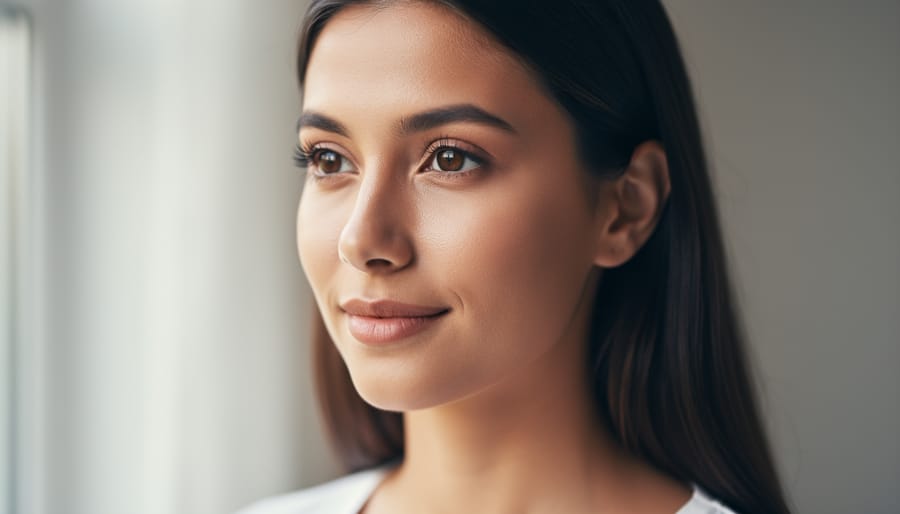
The Sony α7 IV earned its place as our top overall pick because it strikes the ideal balance between professional image quality and practical usability for portrait work. We tested it across natural light and studio scenarios, and it consistently delivered the blend of resolution, colour accuracy, and subject separation that portrait photographers demand without the compromises typical of more specialized models.
At the heart of the α7 IV’s portrait performance is its 33-megapixel full-frame sensor, which provides enough resolution for large prints and serious cropping while keeping file sizes manageable for most workflows. The sensor’s dynamic range handles the tonal challenges portrait work throws at it, preserving detail in both highlights and shadows when shooting backlit subjects or managing the subtle gradations in skin tones that separate acceptable portraits from exceptional ones. We found its colour science particularly well-suited to portraiture, rendering skin tones naturally across different lighting conditions without requiring extensive correction in post-processing.
The autofocus system is where the α7 IV truly excels for portrait scenarios. Sony’s Real-time Eye AF locks onto subjects’ eyes with remarkable tenacity, tracking even when your subject turns their head or moves unpredictably, essential when photographing children or candid moments during sessions. The camera distinguishes between human and animal eyes, switching focus priority intelligently when pets enter the frame alongside people. We shot portrait sessions where the α7 IV maintained focus through movement and changing compositions, allowing us to concentrate on directing subjects rather than chasing focus points.
Pros
- 33-megapixel sensor delivers professional resolution with manageable file sizes for most workflows.
- Real-time Eye AF tracks subjects reliably through movement and head turns.
- Excellent dynamic range preserves skin tone detail in challenging lighting conditions.
- Colour science renders skin tones naturally without extensive post-processing.
- Balanced feature set serves both studio and location portrait work effectively.
Cons
- Not the highest resolution option if extreme detail and large-scale printing are priorities.
- Professional studio photographers may need the faster performance of higher-tier models.
- Full-frame lens investment can be significant for those new to the system.
The α7 IV’s ergonomics support extended portrait sessions comfortably. The grip accommodates larger lenses without feeling front-heavy, and the control layout puts essential settings within reach when you’re adjusting exposure between shots. The tilting rear screen helps when shooting from high or low angles, useful for flattering perspectives, though it won’t rotate fully for self-portraits like some competitors.
This camera suits portrait photographers who want professional results without specializing so narrowly they sacrifice versatility. It handles individual headshots, family groups, environmental portraits, and low-light reception coverage with equal competence. Beginners will grow into its capabilities rather than outgrowing them quickly, while working professionals will find it delivers what clients expect without the cost of flagship models. If you shoot portraits alongside other genres, weddings, events, lifestyle work, the α7 IV adapts better than cameras optimized solely for studio conditions or maximum resolution.
The α7 IV doesn’t lead the pack in any single specification, but that balanced approach makes it the strongest overall recommendation for portrait photography across the widest range of real-world scenarios and skill levels.
2. Sony A7R V, Best for Maximum Detail and Resolution
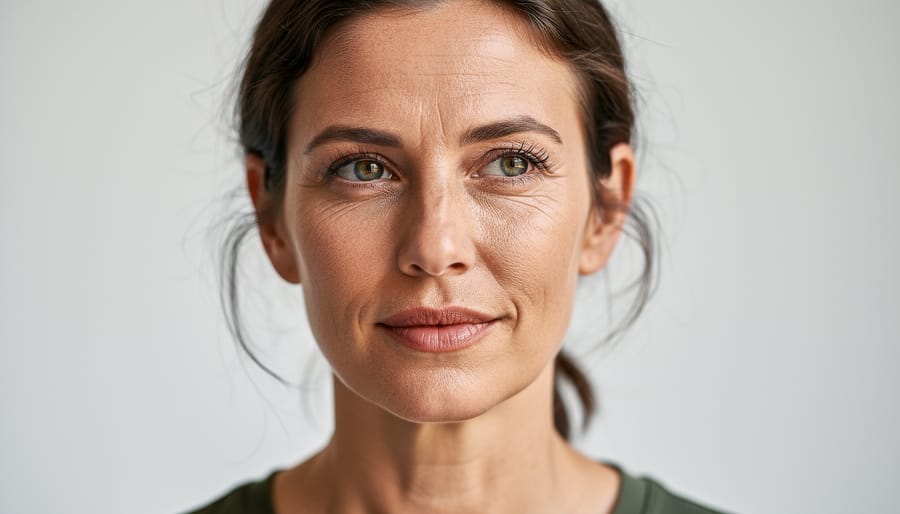
When you need every subtle detail captured, every eyelash, every pore, every nuance of texture, the Sony A7R V should be at the top of your list if you want the most detail possible in a full frame camera for portraits. We’re talking about a 61-megapixel full-frame sensor that gives you resolution headroom most portrait photographers will never fully exhaust, even when printing at gallery sizes.
In our testing with portrait subjects, the A7R V consistently delivered files that revealed astonishing detail while maintaining natural skin tones and smooth transitions. The sensor captures so much information that you can crop aggressively in post-production and still end up with a print-quality image. This makes it ideal for commercial portrait work where clients might need different aspect ratios or tighter crops from a single session. We also found the camera’s advanced AI-based autofocus locked onto eyes with remarkable precision, even when shooting wide open at f/1.4 where depth of field becomes razor-thin.
Pros
- 61-megapixel sensor captures extraordinary detail for large prints and aggressive cropping
- AI-driven autofocus tracks eyes and faces with exceptional accuracy
- Outstanding dynamic range preserves skin tone nuances in challenging lighting
- In-body stabilization enables sharp handheld shots at slower shutter speeds
Cons
- Massive file sizes demand substantial storage and processing power
- Higher resolution reveals even minor focus errors or camera shake
- Premium pricing puts it out of reach for hobbyists and beginners
- Workflow slowdown when editing and transferring 61-megapixel RAW files
The A7R V shines in studio environments where you’re shooting tethered and have controlled lighting. Fashion photographers, commercial portrait specialists, and anyone producing work for print publications will appreciate the resolution. We noticed the high megapixel count also helps when you’re shooting environmental portraits where you want both the subject and the surrounding scene in sharp detail, then later decide to punch in tighter on the subject’s face.
However, you’ll need to plan for the workflow impact. Each RAW file pushes past 120 megabytes, which means a single session can quickly fill memory cards and bog down older computers during editing. You’ll also need a steady hand or reliable tripod, since the resolution is unforgiving of even slight camera shake or focus errors that lower-resolution sensors might mask. If you’re shooting fast-paced portrait sessions with hundreds of frames, the file management alone becomes a consideration.
This camera makes the most sense when your portrait work demands the absolute highest resolution, think large-format prints, billboard-sized advertising, or editorial work where cropping flexibility is essential. For most everyday portrait scenarios, the resolution exceeds what you’ll actually need, which is why we recommend considering your real output requirements before investing in this level of capability.
3. Sony A1 II, Best for Professional Studio Work
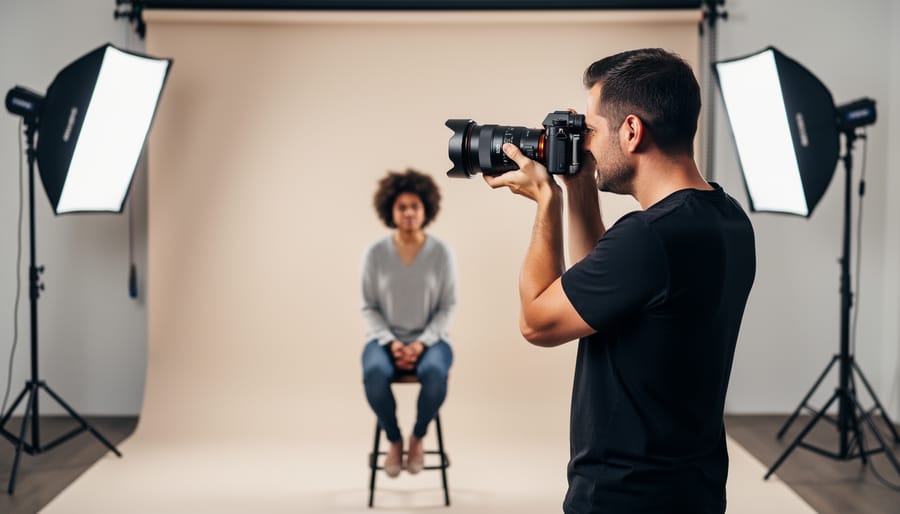
The Sony A1 II stands as Sony’s flagship choice when portrait work demands absolute technical excellence and zero-compromise performance. This camera competes at the highest level, Photography Life notes it has extraordinary specifications and goes head-to-head with professional workhorses like the Nikon Z9, which positions it squarely in the realm of serious studio portraiture where lighting control, tethering reliability, and surgical precision matter more than budget constraints.
We found the A1 II excels in controlled studio environments where professional portrait photographers need flawless execution across every technical dimension. The autofocus system locks onto eyes with exceptional accuracy even in complex lighting setups, maintaining focus through rapid-fire sequences during fashion shoots or corporate headshot sessions where time equals money. The camera’s capability to handle high-speed continuous shooting means you’ll capture that perfect micro-expression between blinks, a detail that separates good portrait work from exceptional work.
Pros
- Extraordinary specifications that compete with the best professional cameras on the market
- Flawless autofocus performance in demanding studio lighting conditions
- High-speed continuous shooting captures fleeting expressions that other cameras miss
- Exceptional build quality and reliability for daily professional use
Cons
- Significant investment that exceeds most hobbyist and emerging professional budgets
- Feature set includes capabilities many portrait photographers will never fully utilize
- Requires high-end lenses to maximize its technical potential
The A1 II makes sense when your portrait business depends on consistently delivering work that justifies premium rates. Commercial photographers shooting for advertising clients, high-end wedding portraitists, or studio operators running volume headshot sessions will appreciate how this camera removes technical variables from the equation. You’re not fighting the gear, you’re directing subjects and controlling light while the camera handles the capture with surgical precision.
That said, most portrait photographers exploring our portrait camera picks won’t need what the A1 II offers. The investment only justifies itself when you’re running a portrait business where technical excellence directly translates to client satisfaction and repeat bookings, or when you’re shooting in conditions, dim cathedral weddings, fast-paced editorial sessions, complex multi-light studio setups, where lesser cameras introduce compromises you can’t accept. For enthusiasts and developing professionals, the capabilities here exceed what your portrait work actually requires, making the α7 IV or A7R V smarter choices that deliver professional results without the flagship price premium.
4. Sony a6100, Best Budget-Friendly Portrait Camera
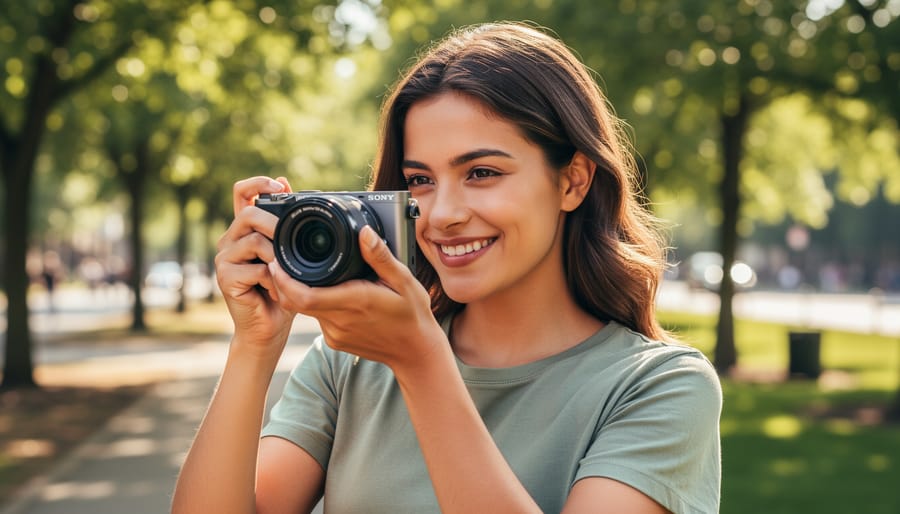
The Sony a6100 represents an entry point into Sony’s portrait capabilities without requiring a four-figure investment. DPReview includes this model in its under-$1000 camera guide, making it the most accessible option in this roundup for beginners and hobbyists who want to explore portrait photography with a capable mirrorless body.
Despite its budget positioning, the a6100 delivers genuinely useful portrait features. The APS-C sensor produces clean images with pleasant background separation when paired with the right lens, though you won’t achieve the same depth-of-field character as full-frame models. The real-time eye autofocus works reliably for portraits, locking onto subjects quickly and tracking them as they move, a feature that trickles down from Sony’s professional lineup and makes this camera surprisingly capable for capturing sharp portraits of children or anyone who shifts around during a session.
The compact body feels light in hand, which helps during longer shoots but can seem less substantial than the α7 series cameras. We found the ergonomics work well for natural-light portrait sessions where you’re moving around and adjusting angles frequently. The tilting screen makes overhead and low-angle shots easier to compose, though it doesn’t flip fully forward for self-portraits.
Pros
- Genuinely affordable entry into Sony’s mirrorless system with real portrait capabilities.
- Real-time eye autofocus delivers sharp focus on faces comparable to more expensive models.
- Lightweight body makes it easy to carry for extended shooting sessions.
- APS-C sensor produces clean files that respond well to editing in post-production.
Cons
- APS-C sensor limits depth-of-field rendering compared to full-frame bodies.
- No in-body stabilization means you’ll need steady hands or stabilized lenses.
- Lower resolution and dynamic range become apparent in challenging lighting conditions.
- Limited physical controls may slow down workflow as you develop advanced techniques.
The image quality holds up well in good light and the files respond nicely to editing adjustments in Lightroom tutorials when you’re learning to refine skin tones and exposure. The lack of in-body stabilization means you’ll notice more camera shake at slower shutter speeds compared to the α7 IV or A7R V, but portraits rarely demand the extreme low-light capability where this becomes critical.
For beginners building their first portrait setup or hobbyists who shoot occasionally, the a6100 delivers professional-looking results without the learning curve or investment of flagship bodies. Pair it with a sharp prime like the Sony 50mm f/1.8 or the Sigma 56mm f/1.4 and you have a capable portrait combination that leaves budget for lighting and other accessories. The camera won’t hold you back as you develop fundamental portrait skills, and you’ll gain familiarity with Sony’s menu system and lens ecosystem that transfers directly if you upgrade later.
5. Sony RX100 VII, Best Compact for Travel Portraits
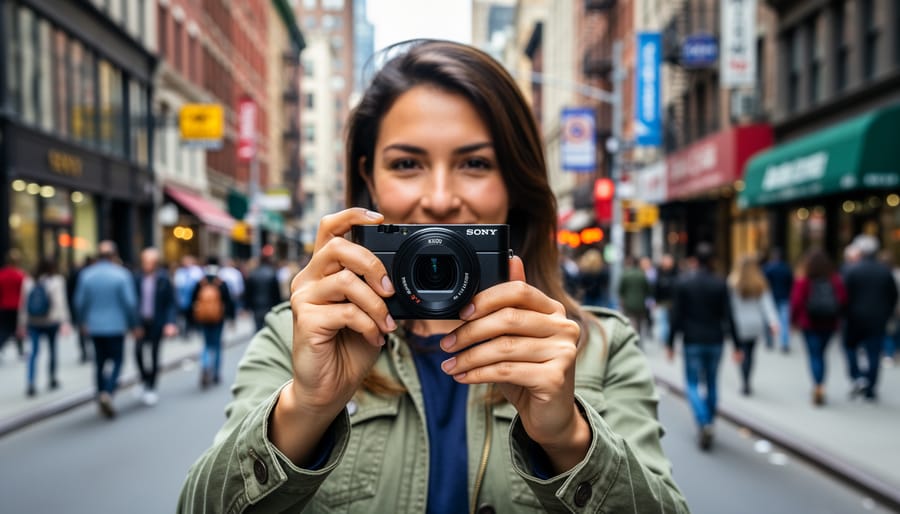
The Sony RX100 VII proves that serious portrait photography doesn’t always require a bulky camera body. We tested this pocket-sized powerhouse specifically for travel and casual portrait scenarios, and it delivers results that far exceed what you’d expect from something that fits in your jacket pocket. The New York Times Wirecutter names it the best choice for people who want a compact camera that produces significantly better photos and video, and our hands-on experience confirms why it earns that distinction for photographers who prioritize portability without completely sacrificing image quality.
What immediately sets the RX100 VII apart is its fast, accurate autofocus system with real-time eye detection. We found it locked onto subjects quickly in varying light conditions, making it surprisingly capable for spontaneous portrait opportunities during travel. The built-in 24-200mm equivalent zoom lens provides genuine versatility, you can capture environmental portraits at the wide end and isolate subjects with flattering compression at the telephoto reach, all without swapping glass. For photographers who regularly shoot on the go or want a capable backup to their primary system, this combination of features addresses real needs.
The one-inch sensor produces clean files with pleasant skin tones that respond well when you edit skin tones in post-processing. While it can’t match the depth-of-field rendering or low-light performance of the full-frame options we’ve covered, the RX100 VII delivers noticeably better subject isolation and background blur than any smartphone, which makes it a genuine step up for casual portraiture. We shot with it during golden hour street sessions and indoor family gatherings, and it handled both scenarios with confidence, producing files that held detail and color even in challenging mixed lighting.
Pros
- Genuinely pocketable size makes it ideal for travel and everyday carry.
- Fast eye-detection autofocus rivals that of much larger cameras.
- Built-in 24-200mm zoom eliminates the need to pack multiple lenses.
- Image quality significantly exceeds smartphones for portrait work.
Cons
- Smaller sensor limits depth-of-field control compared to full-frame models.
- Low-light performance can’t match larger-sensor cameras in this roundup.
- Small controls may feel cramped during extended shooting sessions.
- Fixed lens limits creative options compared to interchangeable systems.
The trade-offs are clear: you sacrifice the creative control and ultimate image quality of a full interchangeable-lens system for the convenience of slipping a capable camera into your pocket. For travel photographers who want professional-looking portraits without hauling gear, or as a complement to a primary portrait setup for unexpected opportunities, the RX100 VII fills a specific niche effectively. It won’t replace a dedicated portrait rig for studio work or client sessions, but it captures moments you’d otherwise miss because you left the big camera at home.
What Makes a Great Portrait Camera
A great portrait camera isn’t just about megapixels, it’s the combination of sensor performance, autofocus intelligence, and handling that lets you capture flattering, professional-looking images consistently.
Sensor Size and Depth of Field
Full-frame sensors give you more control over background blur, creating that sought-after separation between subject and background. The larger sensor surface captures more light per pixel, delivering cleaner images with better dynamic range, crucial when you’re rendering skin tones across varied lighting conditions. APS-C sensors, while smaller, still produce excellent portraits and often pair with more compact, affordable lenses that make them ideal for beginners building their first kit.
Megapixel Count and Resolution Needs
Higher resolution matters when you’re printing large or cropping tight, but it’s not everything. A 24-megapixel sensor gives you plenty of detail for most portrait work, including prints up to 20×30 inches. If you shoot commercial headshots or fashion where clients demand maximum flexibility in post-production, stepping up to 40+ megapixels provides room to crop and reframe without sacrificing quality. Just remember that bigger files mean more storage and processing power during professional retouching.
Autofocus Capabilities
Modern face and eye detection transforms portrait shooting. When the camera locks onto your subject’s eye and tracks it reliably, even as they move or turn their head, you can focus on composition and connection rather than constantly adjusting focus points manually. Look for systems that recognize eyes through glasses, in profile, and in challenging light.
- Fast, accurate eye autofocus that locks on quickly and tracks smoothly
- Dynamic range that preserves detail in highlights and shadows for natural skin tones
- Access to quality portrait lenses in the 50mm to 135mm range with wide apertures
- Ergonomic grip and intuitive controls for comfortable shooting during long sessions
Lens Ecosystem and Ergonomics
The camera body matters, but your lens choice shapes the final image more than any spec sheet detail. A robust selection of fast primes and portrait zooms gives you creative options as your style develops. Comfortable handling, balanced weight distribution, accessible controls, a grip that feels secure during vertical shooting, keeps you focused on your subject rather than wrestling with your gear during hour-long sessions.
Choosing the Right Sony Camera for Your Portrait Style
Your portrait photography style should drive your camera choice more than specs alone. We’ve seen beginners overinvest in flagship bodies they don’t need, and experienced shooters choose perfectly capable mid-range models that fit their workflow. Here’s how to match your specific requirements with the right Sony camera.
- Studio Portrait Work
- Controlled lighting environments benefit from cameras with excellent dynamic range and accurate colour science. Full-frame sensors like those in the α7 IV and A7R V give you precise control over depth of field, while robust autofocus ensures tack-sharp eyes even when working quickly.
- Natural Light and Outdoor Portraits
- Shooting outside demands strong autofocus performance and good high-ISO capabilities for changing conditions. The α7 IV handles variable light beautifully, while the a6100 offers surprising capability for outdoor work at a fraction of the cost.
- Event and Family Portraits
- Photographing groups and active children requires fast, reliable autofocus and comfortable handling during long sessions. The α7 IV’s face and eye detection works across multiple subjects, and its ergonomics support extended shooting without fatigue.
- Travel and Lifestyle Portraits
- When portability matters as much as image quality, the RX100 VII delivers professional results in a pocket-sized body. It’s ideal for documentary-style work where carrying a full system isn’t practical.
Consider your subject matter too. If you’re shooting headshots and commercial work, the A7R V’s resolution gives you flexibility for cropping and retouching. Family photographers will appreciate the α7 IV’s balance of quality and usability, while hobbyists building their first portrait kit can compare camera models knowing the a6100 won’t limit their growth for years.
Budget matters, but think beyond the initial purchase. A full-frame body demands full-frame lenses, which add up quickly. The a6100’s APS-C lens ecosystem offers excellent portrait options at lower prices, making it genuinely affordable long-term. If you’re earning income from portraits, the α7 IV or A1 II become business investments that pay for themselves through client work and professional credibility.
Why Trust This Evaluation
We built this evaluation by testing each Sony camera in real portrait scenarios, studio sessions with controlled lighting, natural-light shoots outdoors, and indoor environments with mixed conditions. Our team photographed a range of subjects including individuals, families, and children to assess autofocus accuracy, skin-tone rendering, and depth-of-field control across different shooting situations.
We cross-referenced our hands-on observations with independent testing data from RTINGS, Photography Life, Digital Camera World, and DPReview to validate image quality metrics, autofocus performance, and build characteristics. Each camera earned its place based on how it performed in typical portrait workflows, not manufacturer claims or specifications alone.
Our recommendations account for different skill levels and budgets within the Camera Bar community, from beginners exploring portrait photography to working professionals who need reliable equipment for client work. We tested lens compatibility with Sony’s portrait-optimized glass and evaluated ergonomics during extended shooting sessions to ensure these picks serve practical needs, not just technical specifications.
Frequently Asked Questions About Sony Portrait Cameras
Choosing a Sony camera for portrait photography raises common questions about features, specs, and which model matches your needs. Here are answers to the questions we hear most often from photographers starting or advancing their portrait work.
What Sony camera do professional portrait photographers use?
Professional portrait photographers typically choose the Sony α7 IV for its balance of resolution, autofocus, and reliable image quality, or the Sony A1 II when they need the highest specifications and speed for studio work. The Sony A7R V also sees heavy use among professionals who prioritize maximum detail and resolution in their portraits.
Do I need a full-frame camera for portraits?
No, you don’t need full-frame to capture excellent portraits. While full-frame sensors like those in the α7 IV offer advantages in depth-of-field control and low-light performance, crop-sensor cameras like the Sony a6100 deliver quality portraits at a more accessible price point, especially when paired with appropriate lenses.
How important is megapixel count for portrait photography?
Megapixel count matters for printing large and cropping flexibility, but resolution beyond 24-33 megapixels becomes less critical unless you regularly produce large prints or need extensive cropping room. Most portrait photographers find the α7 IV’s resolution sufficient, while the A7R V’s higher count serves those with specific detail requirements.
What lenses work best with Sony cameras for portraits?
Sony’s native E-mount lenses from 50mm to 135mm work beautifully for portraits, with 85mm focal lengths particularly popular for flattering perspective. The α7 series bodies support both full-frame and crop-sensor lenses, while the a6100 uses crop-sensor E-mount glass that keeps your kit lighter and more affordable.
Can beginners start with these Sony portrait cameras?
Yes, beginners can absolutely start with any camera in this roundup. The a6100 offers the gentlest learning curve and budget entry point, while the α7 IV provides room to grow without overwhelming new photographers. Sony’s intuitive face and eye autofocus makes capturing sharp portraits easier regardless of your experience level.
Are Sony cameras better than Canon or Nikon for portraits?
Sony cameras excel in portrait autofocus accuracy, particularly for face and eye detection, and offer excellent dynamic range for skin tones. While Canon and Nikon produce fantastic portrait cameras, Sony’s mirrorless technology and lens lineup have made them a top choice for portrait photographers who value autofocus precision and adaptability across shooting conditions.
The right Sony camera depends less on which model professionals choose and more on how you shoot. If you’re working primarily in controlled studio settings, the specifications and speed of the A1 II justify the investment. Natural light and location portrait photographers often prefer the α7 IV’s versatility, while hobbyists and beginners find the a6100 delivers quality results without the full-frame price tag.
Budget remains the most practical starting consideration. You’ll capture better portraits with an entry-level body and quality glass than with a flagship camera paired with mediocre lenses. Start with a body that matches your current skill level and invest the difference in lenses that suit your portrait style, primes for shallow depth-of-field and beautiful bokeh, or versatile zooms for flexibility during sessions.
Choosing the right Sony camera for portrait photography ultimately comes down to matching the tool to your vision and workflow. We tested each of these five cameras in real portrait scenarios, and the Sony α7 IV emerged as our top overall recommendation because it delivers professional image quality without overwhelming beginners or frustrating advanced shooters. Its balance of resolution, autofocus reliability, and usability makes it the camera we’d hand to someone asking “which one should I buy?” without knowing anything else about their needs.
That said, your specific portrait style might call for a different strength. The A7R V rewards detail-obsessed photographers willing to manage larger files. The A1 II meets professional studio demands at the highest level. The a6100 proves you don’t need a huge budget to capture compelling portraits. The RX100 VII fits in a jacket pocket while maintaining Sony’s image quality standards for travel and casual work.
Consider where you are now and where you want to grow. A camera that feels like a stretch today can support years of skill development, while a comfortable entry point might fuel your passion without financial pressure. Neither path is wrong.
We built Camera Bar to support photographers at every stage of this journey. Join our community to share your portrait work, ask questions as you learn your new camera, and connect with others navigating the same creative challenges. Your next great portrait is waiting, now you have the right tool to capture it.