
420 photography encompasses eight distinct career paths in the cannabis industry, from product and packaging work to lifestyle branding and cultivation documentation. Each specialty demands different technical skills and serves unique business needs as the legal cannabis market continues its expansion across North America.
The cannabis industry needs photographers right now. Dispensaries require menu photography. Growers document their crops for compliance and marketing. Cannabis brands build lifestyle campaigns. Extraction companies shoot technical product images. Events need coverage. Publications want editorial work.
This isn’t just about snapping pictures of buds, though that’s certainly one avenue. The real opportunity lies in understanding how diverse this field has become. A photographer specializing in macro shots of trichomes uses completely different techniques than someone shooting a cannabis wellness retreat or documenting a commercial grow operation. Some work requires studio precision and color accuracy. Other projects call for documentary storytelling or editorial vision.
The barrier to entry varies widely depending on which specialty you choose. Product photography demands controlled lighting and post-processing skills. Cultivation work often requires understanding plant cycles and working in challenging grow room conditions. Lifestyle and branding photography leans heavily on creative direction and working with models or talent.
What matters most is matching your existing strengths to the right niche, then building the specific knowledge that specialty requires. You don’t need to master every type of cannabis photography. You need to identify where your skills intersect with market demand, then develop expertise that makes you the go-to choice for that particular work.
Understanding the Cannabis Photography Landscape
Cannabis photography has evolved from a legally murky subculture into a recognized professional specialty as legalization has expanded across multiple markets. What was once limited to underground publications now encompasses legitimate commercial work for licensed dispensaries, cultivation operations, medical cannabis providers, CBD wellness brands, and hemp-derived product companies.
The legal landscape varies significantly by jurisdiction, which directly affects what you can photograph and how you can market your work. Medical cannabis programs operate under different regulations than recreational markets, while hemp and CBD products often face fewer restrictions but still require careful compliance. This regulatory diversity creates distinct visual needs: medical providers want clinical, trustworthy imagery; recreational brands often seek lifestyle-oriented content; and CBD wellness companies typically prefer clean, approachable aesthetics that appeal to mainstream consumers.
The client base extends beyond dispensaries to include extraction labs, packaging designers, cultivation equipment manufacturers, industry publications, event organizers, and ancillary service providers. Each segment has specific visual requirements, from sterile lab environments to vibrant festival atmospheres. This diversity means photographers can find opportunities that match their existing skills, whether that’s product work, documentary storytelling, event coverage, or creative conceptual shoots, while building expertise in a growing industry that values professional, high-quality imagery.
How We Selected These Photography Opportunities
We chose these eight photography opportunities based on five key factors: creative variety, skill-building potential, market accessibility, business viability, and legal legitimacy.
Creative variety was essential, we wanted to showcase the breadth of visual work cannabis businesses need, from technical macro shots to lifestyle storytelling. Each opportunity develops different photography skills, whether you’re strengthening your product lighting fundamentals or exploring documentary approaches that could translate to other industries.
Market demand guided our selections, focusing on niches where cannabis businesses consistently need professional imagery. We prioritized opportunities accessible to photographers at various experience levels, some require specialized macro equipment, while others leverage portrait or event skills you might already have or develop through an online course.
Business viability mattered too. Each opportunity represents work photographers actually get hired for, not speculative niches. We focused exclusively on legal, professional applications serving legitimate medical and recreational markets where cannabis is permitted, avoiding any grey-area work or imagery promoting illegal activity.
This list represents genuine client needs across the cannabis industry’s supply chain, from cultivation facilities to consumer brands building their visual identity.
1. Product Photography for Dispensaries and Brands
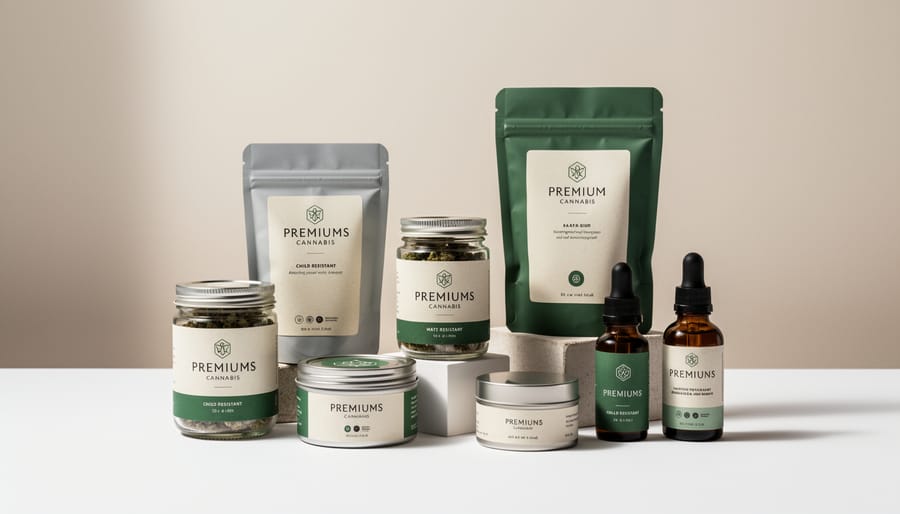
Product photography is the most accessible entry point into cannabis work, requiring skills you may already have from shooting jewelry, food, or still-life subjects. Dispensaries need consistent product images for menus and e-commerce, while brands require hero shots for packaging, marketing materials, and social media. The challenge lies in capturing the crystalline trichomes and subtle color variations that communicate quality to buyers.
Your lighting setup determines everything. Soft, diffused light from above prevents harsh shadows while preserving the three-dimensional texture of flower structures. Side lighting at a low angle can make trichomes sparkle, but watch for color temperature shifts, cannabis photography demands accurate greens and purples that don’t look artificially enhanced. A macro lens (100mm or similar) lets you fill the frame with a single bud, revealing details invisible to the naked eye.
- Macro lens (100mm recommended) for trichome detail and working distance
- Two to three LED panels with adjustable color temperature for consistent lighting
- Light tent or softbox to diffuse harsh reflections on concentrates and packaging
- Tripod for sharp focus at slow shutter speeds during macro work
- Color checker card to ensure accurate greens and purples in post-processing
Color accuracy separates professional cannabis work from amateur shots. Shoot in RAW and use a color checker in your first frame for reliable reference when editing. Unlike environmental portraits where context matters, product shots need clean backgrounds, white, black, or neutral grey, that let the product command attention without distraction.
This foundational work builds faster than you’d expect with portrait camera gear you likely own, making it ideal for testing the cannabis market before investing in specialized equipment.
2. Cultivation and Growing Process Documentation
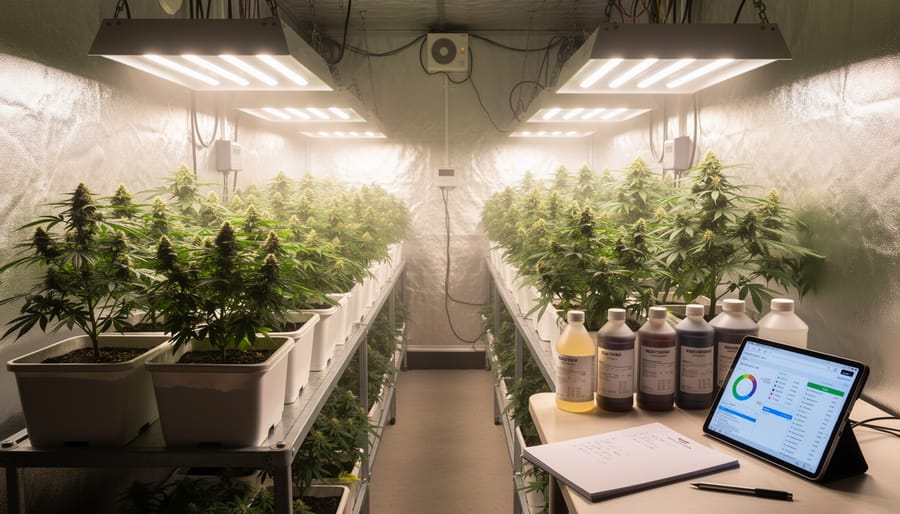
Cultivation photography takes you inside the green heartbeat of the cannabis industry, documenting the complete lifecycle from seedling to harvestable flower. This niche appeals strongly to photographers who love agricultural subjects and long-term documentary projects, offering access to spaces most consumers never see.
The technical challenges here are substantial but rewarding. Grow rooms typically operate under high-pressure sodium or LED grow lights that create intense color casts, often heavy magenta or purple tones that wreak havoc on accurate color reproduction. You’ll need to shoot in RAW format and become comfortable with custom white balance adjustments, sometimes requiring gray card references at multiple points during a shoot. Humidity levels can fog lenses quickly when moving between climate-controlled zones, so allow your gear time to acclimate.
Storytelling opportunities run deep in cultivation work. You might document a single plant’s transformation over eight to twelve weeks, capturing the progression from vegetative growth through flowering stages to harvest. Close-ups of root development, trichome formation, and the subtle daily changes create compelling visual narratives that cultivators use for education, marketing, and operational documentation.
Building relationships with growers is essential since facility access requires trust and often involves proprietary techniques. Start conversations by demonstrating genuine interest in their craft rather than leading with your camera. Many cultivators take pride in their work and appreciate photographers who understand that you’re documenting skilled horticulture, not just taking pictures of plants.
3. Lifestyle and Consumer Culture Imagery
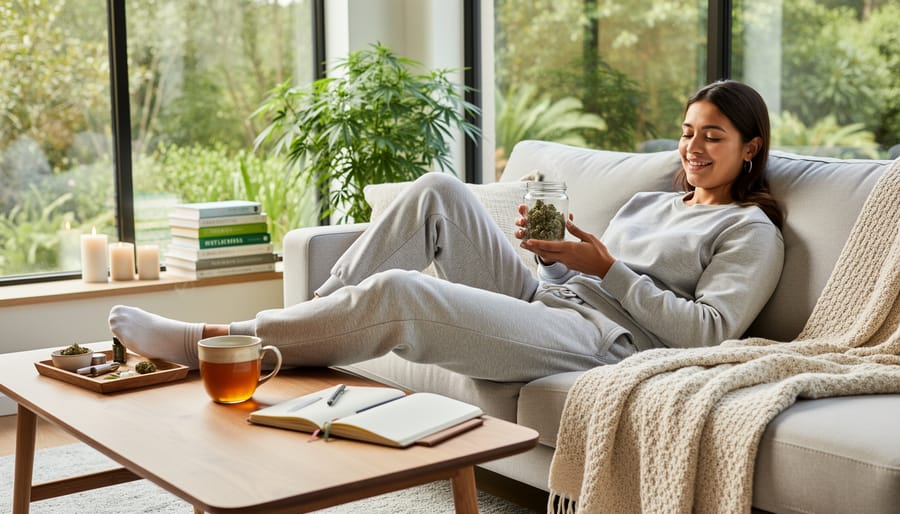
Lifestyle imagery captures cannabis in real-world moments, someone unwinding after work, friends sharing a session, morning wellness rituals, and it’s become essential for brands moving beyond product-only marketing. This photography shows the human side of cannabis culture, helping companies connect with consumers who see it as part of everyday life rather than something hidden or controversial.
The challenge here is authenticity. Staged scenarios with obvious models holding joints awkwardly read as inauthentic immediately. Strong lifestyle work requires casting people who genuinely reflect your target audience, natural settings that feel lived-in, and moments that could actually happen. Think less “stock photo perfection” and more documentary-style candids with intentional composition.
You’ll need detailed model releases for any recognizable people, since cannabis imagery can still carry professional risks in some industries. Be explicit about usage rights and where images will appear. Many photographers keep a network of regular collaborators who are comfortable being associated with cannabis content.
Avoid tired stereotypes, the lazy stoner, the counterculture rebel, the party excess imagery. Modern cannabis consumers span demographics, from wellness-focused professionals to active seniors to creative types. Your job is representing that diversity truthfully while creating scenarios that feel aspirational enough for marketing use.
Consider contexts like yoga and cannabis, cooking with infused ingredients, creative work sessions, outdoor adventures, or quiet evenings at home. These scenarios normalize use while giving brands the relatable, destigmatized content they need to reach mainstream audiences who don’t identify with traditional cannabis imagery.
4. Event and Festival Coverage

Event coverage in cannabis represents some of the most dynamic and socially rewarding work in this field. Trade shows like regional cannabis expos and industry conferences draw thousands of attendees, from cultivators and processors to retailers and investors, all needing professional documentation of their participation. These assignments require classic event photography skills: capturing keynote speakers mid-presentation, wide shots that convey event scale and energy, candid networking moments, and detailed booth coverage that showcases exhibitor displays and products.
The skill set builds on standard event work but with cannabis-specific considerations. You’ll photograph panel discussions about cultivation techniques, product demonstrations at vendor booths, and awards ceremonies recognizing industry innovation. Fast-changing lighting conditions, crowded floors, and the need to work unobtrusively while still getting compelling shots all demand adaptability. A 24-70mm zoom covers most situations, while a 70-200mm helps with stage coverage from the back of conference rooms.
Beyond the photography itself, events offer exceptional networking value. You’ll meet potential clients face-to-face, see what brands are investing in visual content, and build relationships with marketing teams who book ongoing work. Many cannabis photographers report that a single well-executed trade show assignment led to multiple product photography contracts and brand partnerships. The combination of immediate paid work and long-term business development makes event coverage a strategic entry point into the industry.
5. Educational and Medical Content Photography
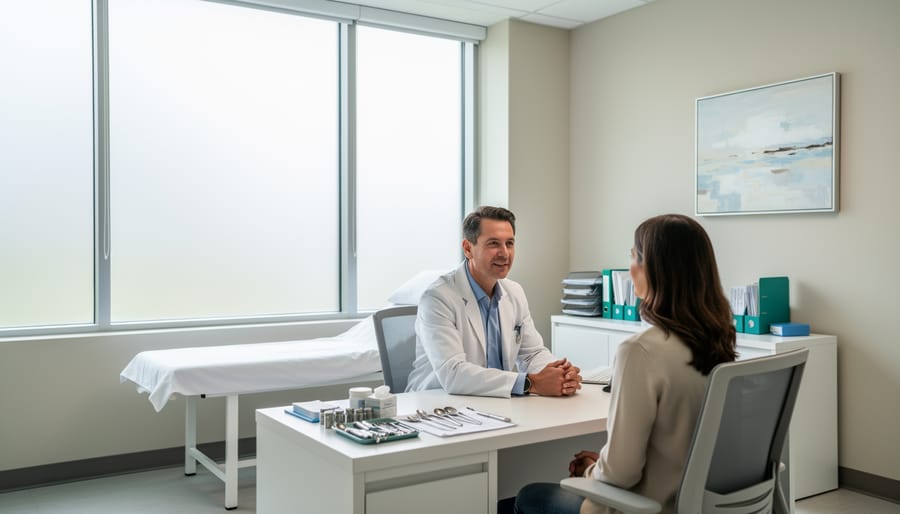
Medical cannabis providers and patient education platforms need imagery that looks fundamentally different from recreational marketing. Your goal here is credibility and clarity, not aspiration. Think clean, well-lit environments, neutral backgrounds, and straightforward documentation that helps patients understand dosing, administration methods, and product formats without confusion.
This work requires a clinical eye. Photograph product labels clearly enough that dosage information is legible. Capture administration devices, vaporizers, tincture droppers, topical applicators, in context that demonstrates proper use. Medical facilities often need photographs of consultation spaces, product displays, and educational materials that convey professionalism and safety.
Patient privacy becomes paramount when documenting medical cannabis use. Work with models who’ve signed proper releases, avoid identifying details in clinical settings, and understand HIPAA considerations if photographing in medical offices. Many clients prefer hands-only shots or carefully framed compositions that show product interaction without full faces.
The aesthetic leans neutral and trustworthy. Soft, even lighting eliminates dramatic shadows. White or light gray backgrounds keep focus on the subject. Post-processing should enhance clarity and accurate color rather than creative mood. You’re not creating lifestyle imagery; you’re producing educational tools that doctors, pharmacists, and patients rely on for accurate information.
This niche suits photographers who appreciate precision work and understand that effective medical photography prioritizes function over flair.
6. Branding and Marketing Campaign Shoots

Branding work puts you at the creative heart of a cannabis company’s identity. You’re not just taking pictures, you’re shaping how consumers perceive an entire brand, from its personality to its visual language across every touchpoint.
This work starts with discovery sessions and mood boards. You’ll collaborate with brand strategists, designers, and marketing teams to translate a company’s values into compelling imagery. A wellness-focused CBD brand needs a completely different visual approach than a recreational product targeting adventurous consumers. Your job is understanding that distinction and executing it consistently across product shots, lifestyle scenes, and promotional content.
Campaign shoots demand strong creative direction skills. You’ll plan concepts, scout locations, direct models, and often art-direct styling choices down to props and wardrobe. The best brand photographers bring a cohesive vision that works across packaging mockups, website headers, social posts, and print materials. Consider how your Lightroom color grading creates a signature look that becomes instantly recognizable as that brand’s aesthetic.
This specialty requires understanding platform restrictions. Many social networks and advertising channels have specific policies around cannabis imagery, so you’ll need to create content that conveys the brand’s message while navigating those limitations, often through suggestion, lifestyle context, and creative abstraction rather than direct product focus.
The technical requirements vary widely depending on brand positioning. Premium brands often want medium format quality and meticulous attention to detail, making your choice of best camera options crucial for delivering the resolution and color depth that elevates their market position.
7. Extraction and Manufacturing Process Photography

Extraction and manufacturing photography puts you in the technical heart of the cannabis industry, documenting processes that most consumers never see. You’ll photograph CO2 extraction systems, hydrocarbon labs, ethanol distillation setups, and quality control testing environments where concentrates, oils, and isolates are produced. This work serves processors, equipment manufacturers, and companies that need professional imagery for compliance documentation, investor presentations, training materials, and B2B marketing.
The challenge here is balancing technical accuracy with visual interest. These facilities operate under strict protocols, cleanroom standards, safety equipment requirements, and restricted access areas, so you’ll need to understand the process flow before you shoot. Work closely with facility managers to identify safe shooting positions and key moments that tell the story: raw material intake, extraction in progress, refinement stages, testing procedures, and final packaging.
Lighting in industrial spaces requires adaptation. Overhead fluorescents create harsh shadows and color casts, so bring portable LED panels to fill and shape light without interfering with operations. Wide-angle lenses capture the scale of equipment, while macro shots highlight the precision of testing and quality control. Detail matters, clean glassware, calibrated instruments, and spotless work surfaces communicate professionalism and compliance, which is exactly what your B2B clients need to demonstrate.
This specialty suits photographers comfortable in industrial environments who appreciate the intersection of science, manufacturing, and visual storytelling. The work is steady, the clients value accuracy and reliability, and you’re documenting an industry’s infrastructure as it matures.
8. Cannabis Art and Creative Macro Photography
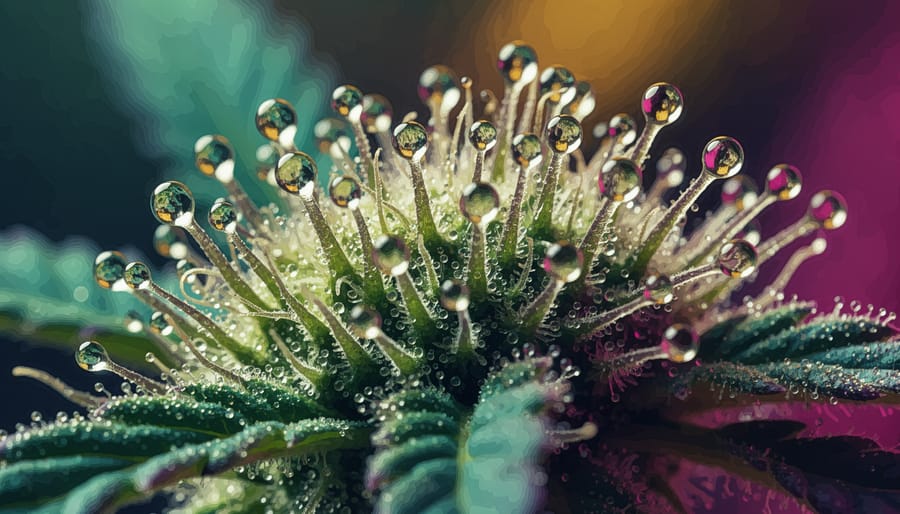
Cannabis art photography shifts from documenting products to creating visual experiences that celebrate the plant’s aesthetic qualities. This niche lets you experiment with extreme close-ups that reveal the crystalline structure of trichomes, abstract compositions that play with light and texture, and artistic interpretations that position cannabis as a subject worthy of fine art treatment.
Extreme macro work requires patience and technical precision. A dedicated macro lens with 1:1 magnification or higher, combined with focus stacking techniques in post-processing, reveals details invisible to the naked eye, individual trichome heads resembling tiny glass mushrooms, the complex geometry of flower structures, and the interplay of colors within a single calyx. Extension tubes or specialized macro rigs expand your creative options. Experiment with lighting angles to create dramatic shadows, backlighting to emphasize translucency, or colored gels for surreal effects that transform botanical subjects into otherworldly landscapes.
This artistic approach opens doors beyond commercial assignments. Limited edition prints appeal to collectors and cannabis enthusiasts seeking sophisticated decor. Some galleries now include cannabis-focused exhibitions, particularly in regions where the plant is legal and cultural attitudes have evolved. Your artistic portfolio can also differentiate you in the commercial market, brands seeking distinctive visual identities often look for photographers who bring creative vision beyond standard product shots. Build a cohesive body of work that demonstrates your unique perspective, whether that’s minimalist monochrome studies or vibrant, psychedelic interpretations that push creative boundaries.
Essential Skills and Gear for Cannabis Photography
Regardless of which cannabis niche you pursue, certain technical foundations will serve you across the board. A true macro lens, 100mm f/2.8 or similar, becomes essential for capturing the intricate details that clients expect, from trichome structures to product textures. You don’t need to buy everything at once, but invest in quality glass before accumulating modifiers.
Lighting control separates professional cannabis work from amateur snapshots. Soft, diffused light through a lightbox or softbox minimizes harsh reflections on glossy flower and prevents color shifts that make product look unnatural. Learn to shoot tethered when possible so you can review focus and color accuracy in real time, especially for detail work where a millimeter matters.
Color management becomes critical in cannabis photography because clients need accurate representation of their strains and products. Shoot in RAW, use a color checker card for custom profiles, and calibrate your monitor. In Lightroom, resist over-saturating greens and purples, what looks dramatic on screen often misrepresents the actual product and frustrates buyers who expect accuracy.
Portfolio development for this market requires thoughtfulness. Organize your work by application rather than chronology, group product shots separately from lifestyle imagery, show range within each category. Many platforms restrict cannabis content, so maintain a professional website you control completely. Reach out directly to dispensaries and brands with targeted samples rather than relying on social media discovery.
Common Questions About Cannabis Photography
Is it legal to photograph cannabis products professionally?
In regions where cannabis is legal for medical or recreational use, photographing cannabis products is legal when done for licensed businesses or personal artistic purposes. Always verify local regulations and ensure your clients operate legally, and be aware that federal law in some countries may still classify cannabis as controlled, affecting interstate commerce and travel with equipment used in cannabis facilities.
How do I find clients in the cannabis industry?
Start by building a portfolio of cannabis-focused work, even if self-directed initially, then reach out directly to local dispensaries, cultivators, and brands with tailored pitches showing relevant samples. Attend industry trade shows and networking events, join cannabis business associations, and connect with marketing agencies serving cannabis clients who often need photography partners.
Can I share cannabis photography on Instagram and other platforms?
Social media platforms have varying restrictions on cannabis content. Instagram and Facebook allow cannabis imagery in regions where it’s legal but prohibit direct sales facilitation and may shadowban or restrict reach. Focus on artistic and educational framing, avoid showing consumption in ways that glamorize use, and maintain professional business accounts separate from personal profiles to minimize risk.
What should I charge for cannabis photography work?
Pricing follows standard commercial photography rates based on usage, deliverables, and experience level rather than being cannabis-specific. Day rates for professional cannabis shoots typically range from standard commercial product photography fees upward, with additional considerations for licensing, complexity, and client budget. Don’t undervalue your work due to industry newness, but be prepared to show portfolio strength that justifies your rates.
Beyond these common questions, photographers transitioning from other specialties should know that cannabis work draws heavily on existing skills. Product photographers adapt macro and lighting techniques they already use. Event photographers apply crowd and action coverage experience. The learning curve involves understanding the plant itself, the industry’s professional standards, and navigating the patchwork of regulations rather than mastering entirely new photographic techniques.
Consider business setup carefully. Standard photography insurance may not cover cannabis-related work, so discuss your client base with your insurer and seek specialized coverage if needed. Maintain meticulous records distinguishing cannabis work from other projects, and consult an accountant familiar with cannabis business regulations in your area, as tax and banking considerations can differ from standard creative services.
The cannabis industry continues to expand, creating real opportunities for photographers who bring professionalism and creativity to this evolving market. Whether you’re drawn to the technical precision of product macros, the storytelling potential of cultivation documentation, or the artistic freedom of creative compositions, there’s a niche that aligns with your existing strengths.
Start with one area that genuinely interests you rather than trying to cover everything at once. Build a small portfolio in that specialty, connect with local businesses or fellow photographers already working in the space, and let your work develop organically. The photographers succeeding in this field aren’t just capturing cannabis, they’re solving real visual problems for brands, educators, and cultivators who need credible, compelling imagery.
Approach this market with the same professionalism you’d bring to any photography specialty. Understand the legal landscape in your area, respect client confidentiality, and focus on creating work that elevates rather than exploits. The opportunities are there for photographers willing to do the work thoughtfully.